UX/UI Mobile App Project
Fitness Center Mobile App.
Designing a real-time recreation companion that helped UC Riverside students check facility availability, discover programs and plan their visits with less guesswork.
Project Details
- Role
- UX/UI Designer, Developer & Marketing Lead
- Platform
- Hybrid mobile app for iOS & Android
- Focus
- Research, prototyping, APIs & launch strategy
- Client
- UC Riverside Recreation Riverside, California
Know before you go.
This centralized app experience connected schedules, activities and facility information so students could make confident recreation decisions before arriving.

The Challenge
A growing recreation center without a single source of truth.
Students frequently arrived expecting to use a space only to find it full or closed, while other activities remained underused because information was fragmented across signage, schedules and multiple touchpoints.
Scattered information
Hours, classes, events and open recreation schedules lived in different places, making simple planning harder than it needed to be.
Uncertain availability
Students had limited visibility into busy or unavailable areas before they arrived at the facility.
Missed engagement
Programs and underused spaces were easy to overlook because relevant information was not surfaced at the right moment.
My Role
Turning student pain points into a connected digital experience.
I guided the work from early research and product direction through interface design, hybrid development and the integrated launch campaign.
Research & product direction
Interviewed students, identified recurring planning frustrations and established a clear product North Star.
UX/UI & prototyping
Translated early sketches into Balsamiq wireframes and refined Figma prototypes for stakeholder review.
Hybrid app development
Organized the app in Xcode using JSON-based configuration and reusable feature mappings for schedules and events.
Launch & adoption
Led coordinated print, social and video promotion so the app’s value was visible across student touchpoints.
Approach
A focused path from student insight to launch.
The process prioritized clarity, fast iteration and a maintainable system that could evolve as recreation schedules and programming changed.
Listen & define
Gathered student feedback, documented pain points and prioritized the information students needed most before visiting.
Structure the experience
Organized facility availability, activities, calendars and registration into a clear mobile information architecture.
Prototype & validate
Moved from rapid sketches to low- and high-fidelity prototypes, refining flows with stakeholder input before development.
Build, connect & launch
Developed the hybrid app, connected live data sources and supported adoption with an integrated campaign.
Results
A clearer way for students to plan recreation.
The app transformed fragmented facility information into a practical, mobile-first resource that supported planning both inside and outside the recreation center.
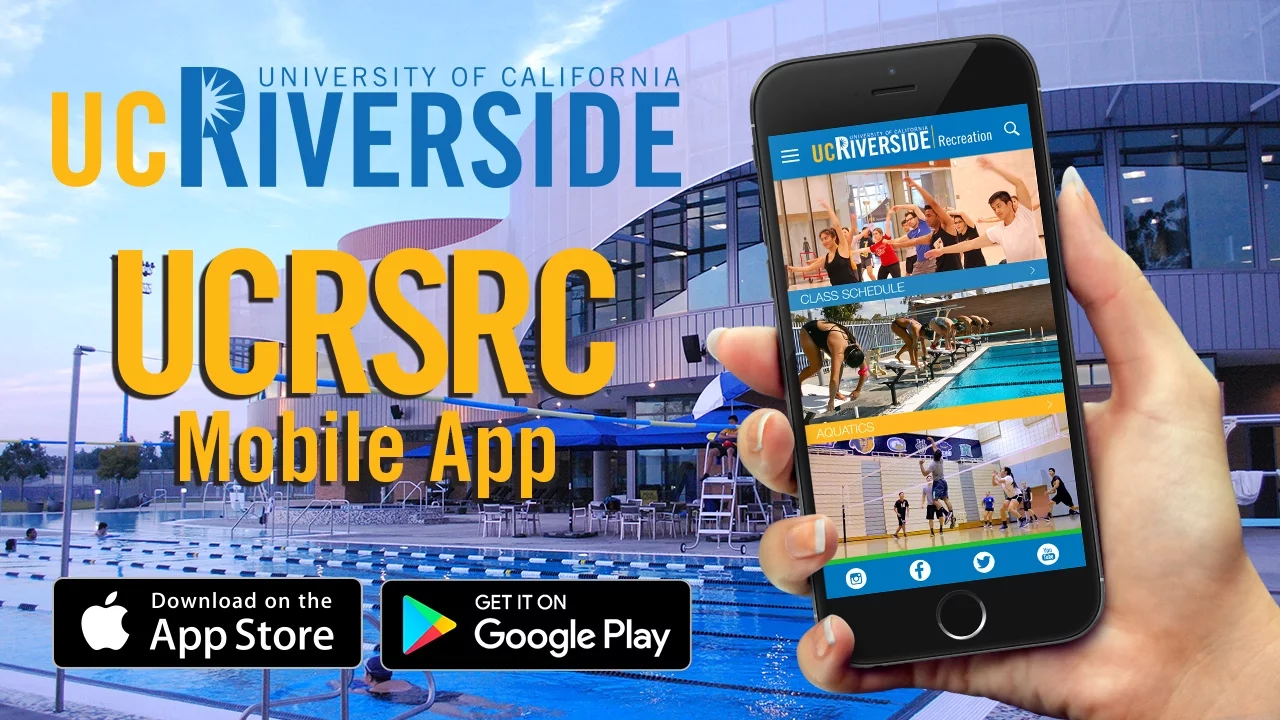
- Unified open recreation, classes, events and registration in one experience.
- Used live API data to keep facility information timely and relevant.
- Extended consistent information across mobile and in-building displays.
- Kept future updates manageable through centralized JSON configuration.
- Supported awareness through coordinated print, social and video promotion.